Signs You Should Consider Professional Medical Translation Services
In healthcare settings, effective communication is crucial for patient safety and compliance. Language barriers can lead to misunderstandings, confusion, and frustration among patients and providers. Warning signs including common misunderstandings or the challenge in grasping medical terminology may suggest a urgent necessity for professional medical translation services. Understanding these signs is important, as the implications can substantially influence patient care and legal compliance in medical practices. What should be considered next?
Significance of Exact Medical Translation Services
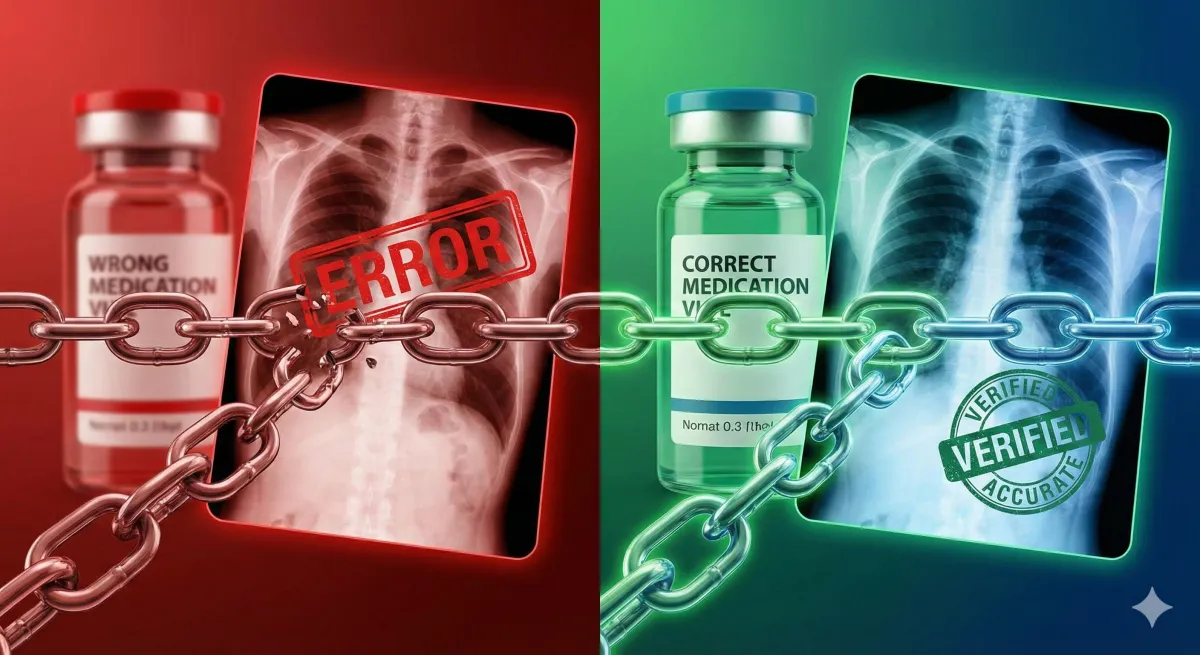
Reliable medical translation services play a crucial role in ensuring patient safety and effective communication in healthcare settings. These services connect between healthcare providers and patients who speak different languages, promoting clear and precise information exchange. Miscommunications due to inaccurate translations can lead to serious consequences, including incorrect diagnoses, improper treatments, and decreased patient trust.
Medical terminology is complex, and nuances in language can substantially alter meanings. Expert linguists with expertise in medical fields confirm that imperative details are communicated accurately, upholding the integrity of medical information. Moreover, legal compliance is a crucial aspect, as healthcare providers must adhere to regulations that require clear communication with patients.
In conclusion, reliable medical translation services are crucial not only for individual patient health but also for the total efficiency of healthcare systems. By focusing on these services, healthcare facilities can improve patient experiences and outcomes, fostering a safer environment for all.
Understanding Language Barriers in Patient Communication
Language barriers can greatly hinder effective patient communication in healthcare settings. Potential health risks and confusion can arise from inadequate patient instructions and misunderstood medical terminology. Patients may also face emotional distress when struggling to articulate their needs or grasp their treatment, demonstrating the critical need for professional translation services.
Commonly Confused Medical Jargon
When patients lack complete comprehension of medical terminology, it can cause severe misunderstandings and substandard care. Poorly understood medical terms can produce confusion concerning diagnoses, treatment choices, and medication guidelines. This circumstance is especially common among people with restricted proficiency in the language utilized by healthcare providers. Complicated jargon and abbreviations can distance patients, causing them to become reluctant to ask questions or request clarification. Therefore, critical medical information may be misconstrued or neglected. Additionally, a lack of understanding can hinder patients' ability to participate in their own care, potentially jeopardizing their health outcomes. Recognizing these language barriers is important for healthcare providers to guarantee effective communication and to mitigate risks associated with misunderstood medical terminology. Professional translation services may close these gaps in understanding.
Poor Patient Guidance
Effective patient instructions are vital for ensuring that individuals grasp their care plans, yet language barriers can severely hinder this process. When healthcare providers cannot communicate effectively with patients who speak different languages, it can create confusion regarding medication dosages, treatment protocols, and follow-up appointments. Inadequate patient instructions may cause non-compliance with treatment plans, which can negatively affect health outcomes. Patients often struggle to grasp critical information, jeopardizing their ability to make informed decisions about their care. Detecting the signs of inadequate communication, such as frequent questions or misunderstandings, is critical. Utilizing professional medical translation services can bridge these gaps, guaranteeing that all patients receive accurate, accurate instructions suited to their linguistic needs, ultimately strengthening their overall healthcare experience.
Emotional Turmoil Over Language
In what ways can emotional distress appear in patients facing language barriers? Patients finding it hard to communicate due to language differences often experience sensations of frustration, isolation, and anxiety. This emotional upheaval can arise from misunderstandings during consultations or poor explanations of medical conditions. Such distress may result in decreased trust in healthcare providers and unwillingness to seek necessary medical care. Additionally, patients may feel embarrassed or ashamed about their language skills, intensifying their emotional challenges. These psychological effects can impede effective communication, ultimately impacting treatment outcomes. Recognizing these signs is crucial for healthcare professionals to confirm that patients receive the support they need. Tackling language barriers through professional medical translation services can alleviate emotional distress and foster a more inclusive healthcare setting.
How Professional Translation Improves Patient Safety
Healthcare facilities rely on professional translation services to play a vital role in improving patient safety. Effective communication is critical when conveying medical information, treatment plans, and instructions to patients who speak different languages. Precise translations ensure patients completely comprehend their medical conditions, prescribed treatments, and possible adverse reactions, minimizing the chance of confusion that might result in negative consequences.
Moreover, professional translators are prepared to handle medical terminology and cultural nuances, which can substantially affect how information is received. By overcoming language barriers, these services build trust between healthcare providers and patients, supporting adherence to treatment regimens and follow-up appointments.
In emergencies, quick access to translated documents can be life-saving, as it helps healthcare workers to make knowledgeable decisions based on precise patient histories and preferences. Ultimately, investing in professional medical translation not only improves patient awareness but also improves overall safety and care quality in diverse healthcare environments.
The Significance of Legal Compliance in Medical Translation
Maintaining legal compliance in medical translation is vital, as failure to follow regulations can have severe implications for both healthcare providers and patients. Medical documents must comply with local and international laws, such as the Health Insurance Portability and Accountability Act (HIPAA) in the United States or the General Data Protection Regulation (GDPR) in the European Union. Non-compliance can lead to legal ramifications, including fines, loss of licenses, and damaged reputations.
Furthermore, accurate translations are critical for preserving patient safety and informed consent. Inaccurate translations can cause misdiagnoses or inappropriate treatments, causing risks to patient health. Additionally, healthcare organizations may face lawsuits if patients receive erroneous information stemming from translation errors.
Employing professional medical translation services ensures that translations adhere to legal standards, thereby safeguarding both the healthcare provider's concerns and the patients' safety. This compliance is not only a obligation; it is a fundamental aspect of quality healthcare delivery.
Navigating Medical-Related Terminology in Translation
Reliable medical translations hinge on a detailed understanding of specialized terminology, which can vary considerably across languages and cultures. Medical professionals often use precise language to describe conditions, treatments, and procedures. A single term can carry different meanings in various contexts, making it essential for translators to grasp these nuances.
For instance, terms such as "hypertension" might possess distinct interpretations depending on cultural perceptions of health. Moreover, idiomatic expressions and colloquialisms can create obstacles for translation efforts. Consequently, translators have to be well-versed in both of the source and target languages' medical vocabularies.
Moreover, familiarity with area-specific rules and procedures is vital. This ensures that translations deliver not only correct interpretations but also adhere to legal requirements. Finally, effective navigation of medical terminology is critical to ensure clear communication, prevent misunderstandings, and safeguard the safety and well-being of patients across various linguistic backgrounds.
Finding the Best Medical Translation Service for Your Specific Needs
What's the best way to find the most appropriate medical translation service for distinct healthcare needs? Assessing a medical translation service calls for attention to several crucial factors. To begin with, expertise in medical terminology and an understanding of relevant regulations are critical, as accuracy is paramount in healthcare settings. Potential clients should search for services with certified translators who possess background knowledge in specific medical fields, such as pharmaceuticals or clinical research.
Additionally, examining the service's history and client feedback can provide knowledge into their trustworthiness and quality of work. It is also essential to consider the variety of languages offered, confirming that the service can accommodate various patient populations. Finally, one should ask about turnaround times and cost structures, as these factors can significantly shape the decision-making process. By diligently evaluating these considerations, professionals and organizations can choose a medical translation service that successfully fulfills their healthcare communication needs.
FAQ
How Much Will Professional Medical Translation Services Typically Cost?
Professional medical translation services typically cost between $0.10 to $0.25 per word, contingent upon factors such as language complexity, specialized knowledge requirements, and turnaround time. Rates differ among service providers and individual project demands.
What Professional Credentials Should Medical Translators Hold?
Medical translators should possess superior language skills, expertise in medical terminology, and relevant qualifications like professional certifications in healthcare or translation. Practical experience in healthcare enhances correctness and clarity in translation projects.
Is It Possible to Use Machine Translation for Medical Documents?
While machine translation may be utilized for medical documents, it frequently falls short in accuracy and context. Qualified human translators deliver precise medical terminology and contextual awareness, crucial for effective healthcare communication. Quality must never be sacrificed.
How Much Time Does the Translation Process Typically Take?
Translation timelines generally depend on document complexity and length, spanning from several days to multiple see this weeks. Prompt completion maintains accuracy, especially in critical medical contexts where precision is paramount for effective communication.
What Categories of Documents Require Medical Translation Services?
Medical translation solutions are vital for clinical study documentation, patient authorization forms, healthcare documentation, pharmaceutical documentation, research papers, and healthcare insurance documentation, guaranteeing accurate communication and interpretation among diverse languages in the healthcare field.